The Impact of Positive Affirmations on Overcoming Daily Challenges

The Transformative Impact of Positive Affirmations
In an era where we are constantly bombarded with information, the need for mental clarity and emotional strength has never been more vital. Amidst life’s unpredictable nature and pressures, cultivating resilience is key to thriving rather than merely surviving. One unexpectedly effective tool at your disposal is the practice of positive affirmations. These affirmations are not just mere words but can catalyze profound changes in your mindset and emotional response to everyday challenges.
Positive affirmations work by reprogramming our inner dialogue. They enable individuals to counteract negative thoughts that often creep in during stressful situations. For example, affirmations such as “I am capable and strong” or “I can face challenges with grace” replace damaging self-talk with empowerment. This transformation can yield remarkable benefits, including:
- Boosting self-esteem: By consistently recognizing your strengths and accomplishments, you lay a foundation of confidence that allows you to tackle tasks—both personal and professional—with greater self-assuredness.
- Reducing stress: Engaging with positive statements diverts your focus from anxiety-provoking thoughts, fostering a sense of calm and improving your overall mental well-being.
- Cultivating a growth mindset: Positive affirmations help individuals reframe their relationship with failure. Instead of viewing setbacks as insurmountable obstacles, they become stepping stones towards growth and improvement.
In the United States, many individuals—from business leaders to students—have integrated positive affirmations into their daily routines, finding significant impacts on mental health, productivity, and even interpersonal relationships. A study published in the journal *Psychological Science* highlights that individuals who practice affirmations demonstrate greater resilience and improved psychological well-being, showcasing how these simple yet powerful statements can effect real change.
Furthermore, affirmations are not confined to private practice; they can be woven into countless aspects of life. For example, teachers might encourage students to recite affirmations before tests, instilling confidence, while workplace cultures that adopt positive reinforcement can boost team morale and productivity. Individuals can also modify affirmations to align them with their aspirations, such as “I attract opportunities that help me grow” or “Every challenge I face makes me stronger.”
Integrating these affirmations into your daily routine can be as simple as repeating them during your morning lineup or writing them in your journal. By committing to this daily practice, you can unlock the potential of your mind and confront life’s challenges with renewed vigor.

This article invites you to explore the multifaceted advantages of positive affirmations. As you delve deeper, you will uncover practical applications that can seamlessly blend into your lifestyle, ultimately enhancing your resilience and emotional well-being.
Harnessing the Power of Positive Affirmations
The effectiveness of positive affirmations extends well beyond simple motivational quotes; they are a psychological tool that can manifest real-world changes in your behavior and mindset. At the core of this practice is a fundamental psychological principle known as the self-affirmation theory, which posits that individuals can maintain self-integrity by focusing on their values and attributes. This not only promotes personal growth but also enhances emotional resilience, essential for tackling life’s daily challenges.
One of the most profound impacts of positive affirmations is their ability to reshape your point of view on obstacles you may encounter. Think of it this way: when faced with a challenge, the initial response might be one of fear or apprehension. Positive affirmations can shift that mindset, enabling you to face challenges with a newfound sense of optimism and assurance. For instance, telling yourself, “I can adapt to any situation,” prepares you mentally for change, allowing for a smoother transition through adversities.
Implementing a daily routine of affirmations can yield numerous benefits. Here are several key effects:
- Enhanced Focus: Engaging with affirmations shifts your mental focus away from negativity. This increased positivity can lead to heightened productivity and better decision-making abilities in high-pressure scenarios.
- Emotional Regulation: By continuously reinforcing your strengths, you’ll be better equipped to handle emotional turbulence. Practicing affirmations allows you to respond to stressors with composure, reducing the likelihood of feeling overwhelmed.
- Increased Motivation: Repeating affirmations can rekindle your passion and drive, especially when motivation wanes. Phrases like “I am driven and passionate” help keep your goals at the forefront of your mind, encouraging consistency in your efforts.
Research suggests that establishing a strong habit of positive self-talk can lead to long-lasting changes in behavior. A study from the University of California demonstrated that participants who practiced positive self-affirmations showed significant reductions in cortisol levels, a known stress hormone. This phenomenon illustrates how powerful words influence not just our mood but our physiological state.
The beauty of positive affirmations is found in their versatility. They can be tailored to fit an array of situations, allowing anyone from students to business professionals to harness their power. Whether it’s preparing for a big presentation or gearing up for a challenging day at work, affirmations can be powerful allies on the path towards success.
To get started, consider dedicating a few moments each day to write down or recite affirmations that resonate with your personal goals and values. This practice will reinforce a positive mindset, enabling you to confront the inevitable challenges of everyday life with resilience. Even a simple dedication of two minutes a day can ignite a transformation that impacts various facets of your being.
As you delve deeper into the world of positive affirmations, you may discover new dimensions to your potential. In the sections ahead, we will explore how to effectively incorporate these transformative phrases into your daily routine and the long-term benefits that come with them.
The Role of Positive Affirmations in Daily Life
Positive affirmations serve as a guiding compass throughout the chaotic landscape of daily challenges. These self-empowering statements allow individuals to reshape negative thought patterns and foster resilience. Using positive affirmations is not merely about repeating encouraging phrases; it is about embedding these beliefs into the subconscious mind to instigate real changes in behavior and emotional states.One significant aspect of positive affirmations is their ability to enhance self-esteem. By consistently affirming one’s worth, individuals discover a newfound strength that acts as a buffer against the stressors of life. Research has shown that when people embrace self-affirming thoughts, they experience reduced stress levels and improved emotional well-being. This leads to a proactive approach in facing challenges rather than succumbing to feelings of defeat.Equally important is the connection between positive affirmations and enhanced motivation. When individuals start their day with uplifting statements, they set a pump for positive momentum. This motivational boost is crucial in overcoming hurdles, whether personal, professional, or social. Affirmations empower individuals to tackle difficulties with renewed vigor, as they visualize themselves succeeding against challenges.As we delve deeper into the potential of positive affirmations, we notice their direct influence on goal-setting. Individuals who engage consistently in self-affirmation practices often find themselves not only aspiring toward their dreams but actively pursuing them. The act of stating one’s goals alongside supportive affirmations creates a harmonized effort that aligns thought and action, paving the way for achievements.In addition to enhancing personal development, positive affirmations foster stronger interpersonal relationships. When individuals engage in self-affirmation, they create a positive self-image that resonates outwardly. This transformation influences the way they relate to others, drawing in supportive connections and fostering environments where collaboration thrives. Consequently, a positive outlook breeds positivity in communities.By exploring the multifaceted roles of positive affirmations, it becomes clear how integral they are in navigating the complexities of daily life. They enhance not only individual resilience but also contribute to a supportive environment, making the journey through personal challenges feel less solitary.
| Category | Advantages |
|---|---|
| Self-Esteem | Boosts confidence and reduces stress. |
| Motivation | Encourages an active pursuit of goals. |
| Goal-Setting | Creates alignment between thoughts and actions. |
| Relationships | Fosters positive interpersonal connections. |
The Science Behind Affirmative Thinking
While the application of positive affirmations may feel personal and subjective, the scientific backing provides a compelling reason to consider them as part of a daily routine. Emerging research in psychology highlights the direct correlation between positive affirmations and improved overall mental health. A landmark study at the University of Pennsylvania found that participants who engaged in regular self-affirmation exercises not only reported feelings of increased self-worth, but they also showcased heightened levels of resilience when faced with stressful situations. This evidence suggests that the reaffirmation of one’s values is not merely a form of self-deception; rather, it cultivates a robust psychological defense against daily trials.
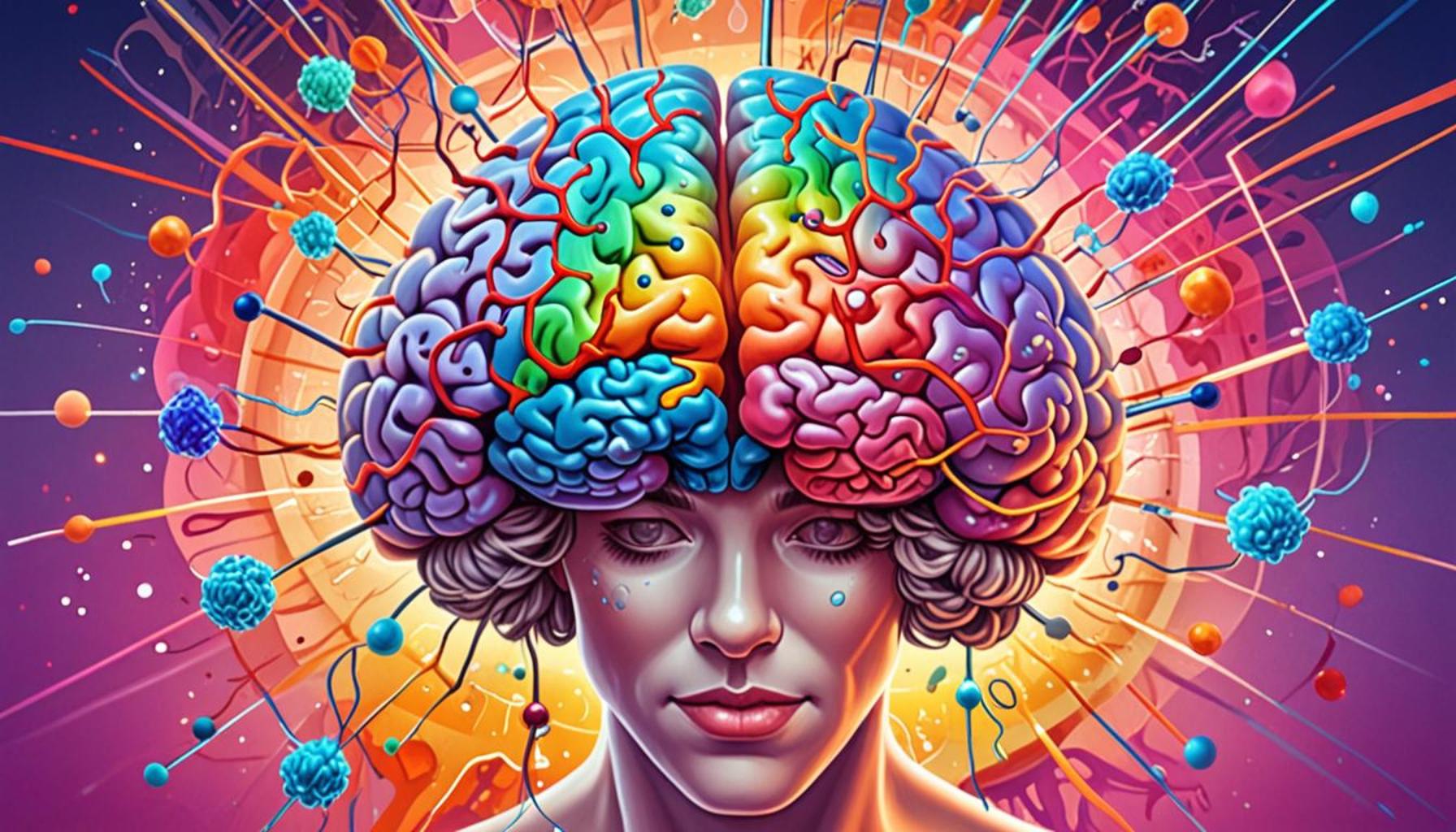
Positive affirmations work by engaging the prefrontal cortex, the area of the brain associated with decision-making, self-regulation, and emotion processing. When individuals practice affirmations, neural pathways are enhanced, making it easier to interpret challenges positively rather than through a lens of fear or inadequacy. Notably, a study published in the journal Health Psychology demonstrated that participants practicing affirmations had improved coping mechanisms during stressful tasks, as they fell back on their empowered mindset rather than succumbing to anxiety.
Practical Applications of Affirmations
Incorporating positive affirmations into daily life can be both simple and expansive, catering to various personal and professional environments. Here are a few methods to effectively deploy affirmations:
- Morning Rituals: Start your day with a positive affirmation session. Whether reciting out loud in front of a mirror or writing a few key phrases in a journal, the goal is to set a tone of optimism for the day ahead.
- Affirmation Cards: Create personalized cards with your favorite affirmations and place them around your workspace or home. Visual reminders can serve as powerful cues that reinforce positive beliefs throughout the day.
- Mindfulness Integration: Combine affirmations with mindfulness practices such as meditation or yoga. As you breathe deeply and focus on the present, repeat affirmations that align with your intentions to foster a deep sense of internal motivation.
Furthermore, positive affirmations can be tailored to specific challenges. For instance, someone grappling with public speaking could adopt affirmations such as “I speak clearly and confidently” or “Every opportunity to present is a chance to shine.” Such targeted affirmations are valuable for converting anxiety into a platform for expression.
The Role of Community and Accountability
The journey of affirmations can be significantly enhanced when shared within a supportive community. Whether it’s family, friends, or online groups, discussing and practicing affirmations together can create an encouraging environment. Participating in group affirmations can reinforce individual beliefs while cultivating a sense of solidarity. Sharing experiences related to overcoming daily challenges allows individuals to gain insights and motivation from one another.
The relational aspect of positive affirmations drives home the importance of community in personal development. Engaging with others not only amplifies the positive effects of affirmations but also creates a network where individuals are held accountable for their goals and aspirations.
As individuals become more intentional about their affirmations, they may observe qualitative changes in how they handle daily hurdles. The practice leads not only to a heightened sense of positivity but often cultivates an unwavering belief in one’s capabilities, ultimately unlocking pathways to success—both personally and professionally.
Conclusion: Embracing the Power of Positive Affirmations
In our fast-paced world filled with constant challenges, positive affirmations emerge as a beacon of hope, presenting a practical approach to not just cope, but thrive. The evidence lays a solid foundation for understanding how incorporating affirmations into daily routines can drastically enhance mental well-being, increase resilience, and transform the way we perceive and tackle obstacles. Scientific studies have shown that affirmations bolster our innate ability to face stressors head-on, activating the prefrontal cortex to help us make decisions rooted in confidence and composed thinking.
Moreover, the potential for positive affirmations expands beyond individual practice; the sense of community and shared experiences magnifies their effectiveness. By engaging with others in these practices, we cultivate an environment of support and accountability, reinforcing our beliefs and aspirations while inspiring personal growth. Whether through morning rituals, creative affirmation cards, or mindfulness exercises, the methods of incorporating affirmations into daily life are diverse, allowing individuals to tailor their approaches according to specific challenges.
As we embrace the concept of positive affirmations, it becomes evident that they are not just uplifting phrases; they are tools for reprogramming our mindsets, leading to significant qualitative changes in overcoming daily hurdles. So, why not take that step today? Start small and gradually integrate affirmations into your routine. Begin to witness the transformation in your thought patterns, bolster your self-confidence, and unlock a more empowered version of yourself, ready to confront the challenges that lie ahead.